Sunday, 31 August 2025

South London rents: cooling growth, rising pressure — what's your next move?

**South London rents: cooling growth, rising pressure — what's your next move?** Rent inflation has cooled to 2.7%. Relief? Not so fast — affordability is still biting, and that shapes pricing power, yields and exit strategies. Here's what jumped out of the latest ONS/Zoopla/Property118 round‑up — and why it matters on our side of the river: 1) Zoopla says rent inflation is 2.7%, the lowest since July 2021. Why it matters: In South London, you can't bank on big year‑on‑year uplifts to cover higher borrowing costs. Landlords in Lambeth, Wandsworth, Croydon and Lewisham need to prioritise retention, not headline rents. Price for low voids and quality tenants. 2) ONS uses 30% of income as the affordability yardstick across 2016–2024. Why it matters: Many tenants here are already near that line. Push beyond it and you risk arrears or longer voids — especially for one‑beds and studios in Zone 2/3. Family lets with space and decent EPCs still clear, but the ceiling is firmer. 3) Richard Don

Article image

If you are looking for help with your property in London – Sales, Rentals, Investments.
Reach out: 07837 093554 or email me at jeroen@claphampropertyblog.com

Thursday, 28 August 2025

London Flats: A Decade of Stagnation and What Comes Next


Buying a flat in London used to be a no-brainer. For decades, you couldn’t lose — prices only went one way. But since 2016, that story has changed.

Here’s what I see every day on valuations: 9 out of 10 flats I appraise today are worth the same, or even less, than they were 10 years ago. Houses, meanwhile, have kept climbing.

Why? One word: leasehold.

Service charges and ground rents have spiralled. I’ve seen it first-hand. A £400,000 flat I valued had a £4,000 annual service charge (heating and hot water included). The next year it jumped to £6,000. The year after? £8,000. That’s 2% of the flat’s entire value every year — gone.

Now the flat is almost unsellable. Lenders won’t touch it. Buyers walk away. The owner? Trapped.

And this isn’t a one-off. Across London, freeholders are hiking service charges — often in anticipation of reforms that will strip away their “marriage value.” Add inflation, and it’s a perfect storm for leaseholders.

For first-time buyers, the question is obvious: is this really a smart move?
For homeowners, another tough truth: if you’ve outgrown your flat and want to move up the ladder, you may find you can’t sell at a profit — or at all. Renting it out often doesn’t cover the costs either. Many of my clients conclude they’d have been financially better off renting.


Of course, it’s not all doom and gloom. Investors focused purely on yield may still find opportunities, but service charge inflation must be part of the maths. And for buyers, long-term ownership still brings stability that renting can’t.

The government’s Leasehold Reform Act is a cautious reason for optimism. Scrapping marriage value, ending new leasehold houses, streamlining extensions — all good steps. But let’s be realistic: reform won’t fix the flats already on the market, and it won’t erase a decade of stagnation overnight.

So, the bigger questions are:

  • Will reform really change the game, or just paper over the cracks?

  • How sustainable are today’s service charges?

  • If freeholders are already pushing costs higher, what happens next?

  • Are leasehold flats quietly becoming London’s negative-equity trap?

  • Would you actually be better off renting until the dust settles?

If you’re weighing up your options — whether that’s selling, buying, or just figuring out your next move — let’s talk.

#LondonProperty #Leasehold #FirstTimeBuyer #SouthLondonProperty

Friday, 15 August 2025

The Housing Market in 2025: A Game of Two Halves… and a Tale of Two Londons


If you told me in January that by summer I’d be fighting to get viewings on well-presented, well-priced flats… I’d have laughed you out of the room.

But here we are.

The first half of this year and the second have been two entirely different worlds — and if you’re a seller right now, you need to hear this.


Q1: The Golden Quarter

Coming back from the Christmas break, the market was electric.
I launched six properties on Boxing Day. By mid-January, five had sales memorandums in place. Solicitors were instructed, deals were moving, and most completed before the stamp duty deadline.

Homes didn’t just sell. They flew.
Buyers were motivated, serious, and ready to transact. Even ex-rental flats from landlords looking to exit the buy-to-let game moved quickly — a quick clean, good presentation, and they were gone.

It felt like the market had momentum. And then…


Q2: The Brakes Slam On

By February, you could feel it. The energy had shifted.
Stamp duty changes were looming, and first-time buyers — the heartbeat of the housing chain — stepped away.

I kept listing properties, pricing them to sell, presenting them beautifully… and nothing happened.
Not tired, unmodernised flats — I’m talking about high-quality, move-in-ready homes. Still, the buyers didn’t come.

March? Quiet.
April? Worse.
By June, Rightmove reported a 41% drop in first-time buyer demand.

When first-time buyers disappear, the entire chain suffers:

  • Second-time buyers can’t move without them.

  • Chains collapse before they start.

  • Properties sit on the market, gathering digital dust.

The only homes that still move? The unicorns — perfect location, perfect presentation, perfect price. Everything else? Stuck.


Prime London: A Different Kind of Stuck

And it’s not just South London feeling it.
I network a lot in Chelsea, and the mood there is flat — and I don’t mean apartment flat.

When you’ve got a £5M, £8M house, you go with the big boys — Savills, Knight Frank, Strutt & Parker. But even they are struggling. Viewings are scarce. Offers are rarer still.

Here’s the thing: if you ask someone to take 10% off £5M, that’s half a million pounds. They’re not desperate to sell, so they won’t. They’ll sit tight until the market comes back.

And that’s why Land Registry will show average prices “falling” — because the only sales happening are at the lower end.
The £10M penthouses? They’re not selling at £7M. They’re not selling at all.

Flats are getting cheaper because they have to move. Houses are “holding value” — but only because they’re not transacting.


The Wealth Drain

Meanwhile, rich overseas owners are packing up.
Dubai. Cyprus. Anywhere but the UK.

Why? Because the UK has turned into a hunting ground for the wealthy. Tax after tax, regulation after regulation — the political message is clear: you’re a target.

And here’s the uncomfortable truth: if Prime Central London isn’t attracting wealth, investment, and confidence, the knock-on effect ripples across the whole housing market.

If the top end isn’t moving, where does the money flow from?
Will the magic printing press start whirring again? Or will we have to face the music?


What Sellers Need to Know Now

Whether you’re in Streatham or Sloane Square, the same core truth applies: the game has changed.

If you’re selling now:

  1. Be realistic on price — this is not the market for wishful thinking.

  2. Fix flaws before listing — buyers have options, and they’re picky.

  3. Understand timing — your property might take months, not weeks, to find the right buyer.


Your Move

This isn’t doom and gloom for the sake of it. It’s reality.
Markets recover — but the winners are the ones who adapt early.

So if you’ve been trying to sell, or you’re thinking about it, ask yourself: is your home a unicorn in today’s market? Or does it need a strategy shift to stand out?

I’d love to hear from you — whether you’re selling in South London, Chelsea, or anywhere in between.
What are you seeing out there? Is it the same story for you?

Let’s talk in the comments.

Monday, 3 March 2025

Why Landlords Need to Step Up

The Decent Homes Standard: Why Landlords Need to Step Up


If there’s one thing that frustrates tenants the most, it’s moving into a dirty property. Yet, too many landlords and agents leave it until the last minute—resulting in a bad first impression and an even worse tenancy.


Not far behind? Mould. From blackened bathroom ceilings to damp creeping into bedrooms, poor ventilation and drying clothes indoors (especially in shared houses) create a perfect storm. And if the property isn’t well-maintained, don’t be surprised if pests start moving in too.


With the Renters’ Rights Bill on the horizon, tenants won’t be locked into poor living conditions anymore. If a home isn’t up to scratch, they’ll leave—simple as that.


So, if you’re a landlord or agent, now’s the time to get your house in order.


How to Avoid Costly Void Periods & Tenant Turnover

1. Think long-term – A well-maintained property attracts better tenants who stay longer.

2. Allow time between tenancies – Rushing a handover without proper cleaning or repairs is a false economy.

3. Tackle damp at the source – A dryer and dehumidifier are small investments that make a big difference.

4. Upgrade ventilation – High-powered extractor fans and air bricks are cheap but effective.

5. Modernise where needed – Outdated windows, kitchens, and bathrooms are a turn-off for tenants.

6. Don’t neglect inspections – And more importantly, act on what they reveal.

7. Educate tenants – Clear expectations on upkeep mean fewer maintenance headaches.

8. Factor in professional cleaning – If tenants aren’t keeping on top of things, consider quarterly deep cleans.

9. Stay on top of maintenance year-round – Leaving everything until the end of a tenancy is a recipe for trouble.


What Landlords Need to Know About the Decent Homes Standard


To meet the new benchmark, rental properties should be:

• Structurally sound – No major disrepair or safety hazards.

• Modern & functional – Kitchens, bathrooms, and shared spaces that meet today’s standards.

• Warm & energy-efficient – Good insulation and a reliable heating system.

• Safe & secure – Proper locks, working smoke alarms, and decent ventilation.


Ultimately, a rental property should be somewhere people want to live, not just somewhere they have to.


Landlords who take pride in their properties will always attract the best tenants—and higher rents. Those who don’t? They’ll be left behind.


If you’re looking for advice on how to get the best results from your property in Clapham, Battersea or Brixton be sure to reach out to me: jeroen@claphampropertyblog.com or call 07837093554.

Friday, 28 February 2025

Estate agents have the worst success rate of any trade

Why Foxtons and Dexters Could Be Failing 77% of Their Sellers—And What You Need to Know

Hey South Londoners, here’s something that could change the way you look at big estate agents like Foxtons and Dexters. Recent research has revealed that these two giants are only selling 22-25 homes for every 100 listed, which is far lower than the industry average of 50-60%. But what does this mean for you if you’re thinking of selling your property? Let’s dive in and see why overvaluation might be the reason behind their low success rates, and how it could be costing sellers thousands.


Why Aren’t Big High Street Agents Getting Homes Sold?

Here’s the thing: Foxtons and Dexters are two of the biggest names in the UK property game, but their success rates are shocking—just 22-25%. For every 100 homes listed, 75-78 homes just aren’t selling. What’s going on? Well, it seems that both of these agencies are known for overvaluing properties by 20-30%. They do this to secure exclusive contracts with sellers, promising high prices that make you feel like your home is worth more than it really is. But this strategy ends up backfiring, leaving properties sitting on the market for months, while the seller continues to pay for bills and mortgage repayments.


The Real Financial Risks for Sellers

So, what happens when a property doesn’t sell quickly? Sellers are left holding the bag—continuing to pay for utilities, maintenance, and, of course, the mortgage. And if they eventually drop the price or switch agents? You could end up selling for far less than you originally hoped, which could cost you thousands. Not to mention, this delay in selling impacts social mobility, as it slows down the whole housing market and makes it harder for people to move to new homes.

Here’s the real kicker: If you’ve got an agent overvaluing your property and it doesn’t sell, you risk missing that sweet spot where you could have gotten a great price in a hot market. When your listing drags on, you might have to lower the price later, and even then, you’re not guaranteed a sale.


So, Why Is This Happening?

Public exposure of these overvaluation tactics could cause a serious shake-up in the industry. If buyers and sellers start getting clued up about these practices, there’s a chance that estate agents might have to make some changes or face the possibility of lawsuits. But the property industry isn’t always the quickest to reform, so don’t expect this to be an easy fix.


What Does This Mean for You as a Seller?

For South London homeowners, this is a big deal. Selling your property should be a straightforward process, but if you’re working with an agent who’s not performing well, you could be in for a frustrating—and costly—ride. If you’re currently thinking about listing your property, here are a few things to consider:

  1. Don’t Get Swept Up in the Hype: When an agent tells you your property is worth a lot more than you expected, take it with a pinch of salt. Sure, it might feel great to hear that your home could sell for more, but make sure the agent has a solid track record of getting properties sold at a reasonable price.

  2. Research Your Agent’s Success Rate: Look beyond the flashy marketing and check how successful they actually are. Don’t just take their word for it—check reviews on sites like GetAgent.co.uk to see if they’re really moving properties in your area.

  3. Get Multiple Valuations: One agent’s valuation might be an outlier, so always get a few opinions. This way, you’ll have a better sense of your property’s actual value and can avoid the overvaluation trap.

  4. Avoid Lengthy Exclusive Contracts: Be careful about signing exclusive contracts for too long—especially ones that tie you to a single agent for months. If you’re not getting results, you’ll want the flexibility to switch things up.


What Should You Do If You’re Already Stuck with a Low-Performing Agent?

If you’ve already listed your property with Foxtons or Dexters and aren’t seeing the results you hoped for, don’t panic. You have options. If you’ve been on the market for a while with no offers, it might be time to reevaluate your listing price and consider switching agents. While it can feel frustrating, sometimes you’ve got to adjust to make sure you’re selling your property at a price that reflects the current market conditions.


Final Thoughts

At the end of the day, if you want to get the best price for your home without the headaches, it’s all about choosing the right agent who can deliver results. Foxtons and Dexters might be well-known, but their low success rates should serve as a warning sign. Don’t be afraid to shop around, get multiple valuations, and choose an agent who’s proven they can get homes sold. By staying informed and proactive, you’ll avoid unnecessary costs and give yourself the best chance of selling at a great price.

Key issues to address are as always pricing, and presentation. I always liken your property to a car showroom. If it doesn't look as good as that, then you are selling yourself short! If you are after some advice on presentation please feel free to reach out via email or phone: 07837 093554.


Key Citations

– Foxtons H1 2024 Results, financial details and sales volumes
– GetAgent.co.uk Data for Foxtons, branch performance and listings
– Estate Agent Fees – HomeOwners Alliance, success rate comparisons
– Online Estate Agents: TheAdvisory, industry failure rates

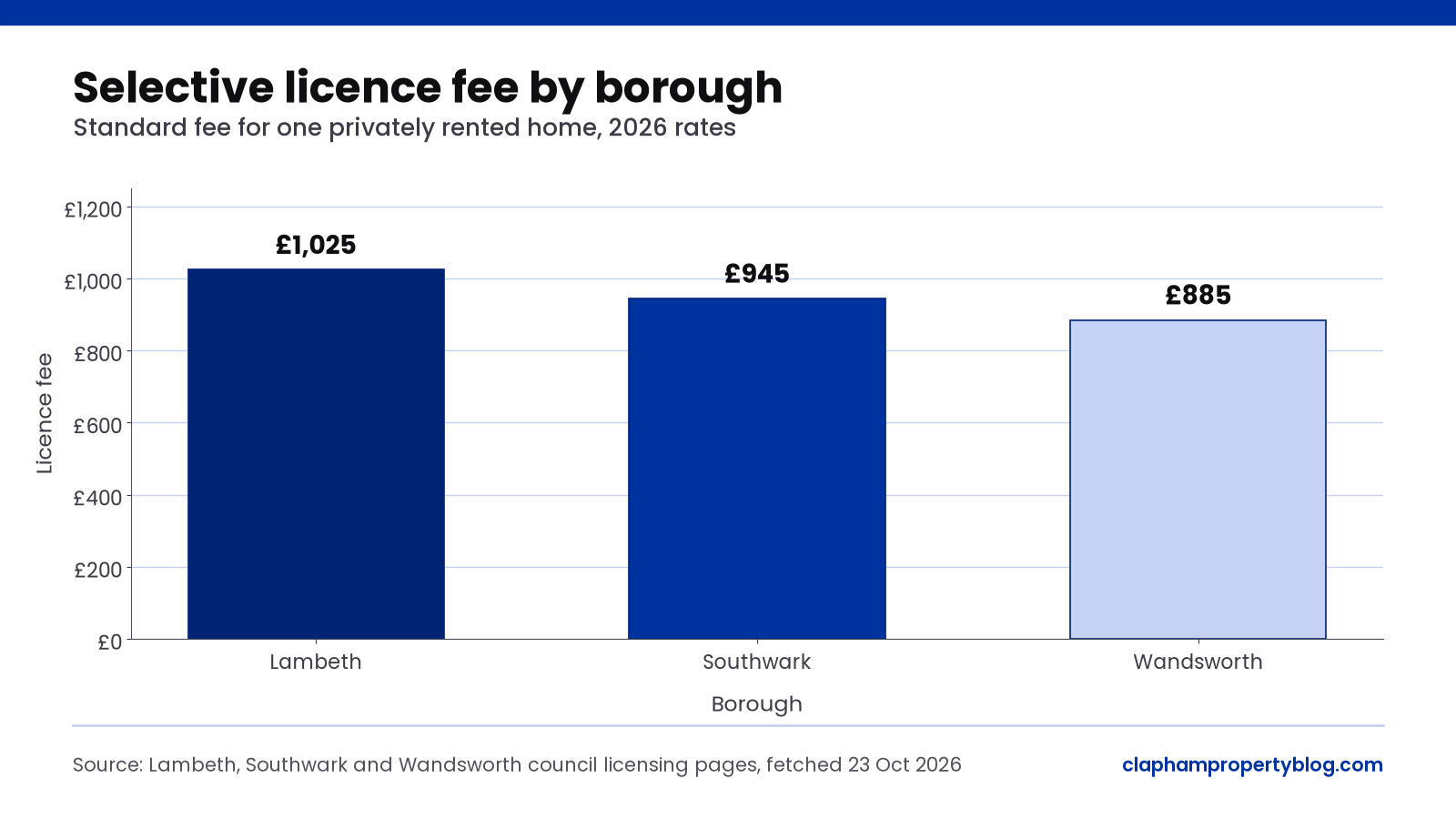
Do I need a landlord licence in Clapham, Brixton or Battersea? Lambeth, Wandsworth and Southwark explained

The question I get from landlords more than almost any other isn't about rents. It's "do I actually need a licence for my f...

Popular Post!