Showing posts with label Interest Rates. Show all posts

Wednesday, 9 August 2023

Interest Rates Hit Highest Level Since 2008: What Does This Mean for Homeowners in South London?

The Bank of England has raised interest rates to their highest level since April 2008, in an effort to cool the UK's rising inflation. This is likely to have a significant impact on homeowners in South London, who are already facing rising property prices and rents.


The impact of higher interest rates will vary depending on individual circumstances. However, in general, homeowners with variable rate mortgages will see their monthly payments increase. This could put a strain on household budgets, particularly for those who are already struggling to make ends meet.
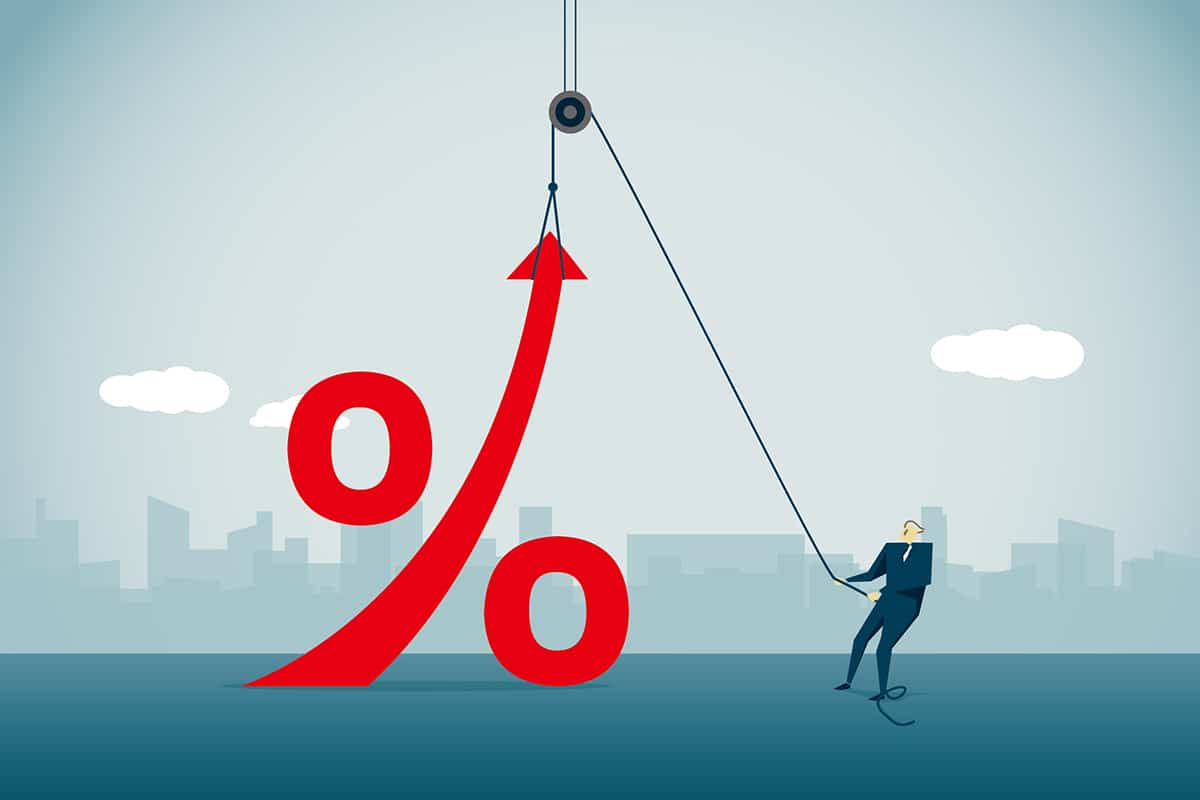


Homeowners with fixed rate mortgages will not see their monthly payments increase immediately. However, they will be locked into their current interest rate for the duration of their mortgage term. If interest rates continue to rise, this could mean that they will be beating the rate that variable rate customers are paying - but for how long? When they come off their fixed rate, and many are going to do just this in the next 12 months - they will be in for a trebling of their mortgage payments!


The rise in interest rates is having a negative impact on the housing market. It is already leading to a slowdown in house price growth, as buyers become more cautious about making large purchases. It is making it more difficult for first-time buyers to get onto the property ladder.


For homeowners in South London, the rise in interest rates is a double whammy. Not only are they facing higher mortgage payments, but they are also likely to see their property value decrease. This could make it difficult for them to sell their home if they need to move. Or at least, at a price they had in mind (last year's price)!


There are a number of things that homeowners can do to protect themselves from the impact of higher interest rates. These include:

  • Reducing their monthly outgoings: This could involve cutting back on unnecessary spending or increasing their income.
  • Refinancing their mortgage: This could involve switching to a fixed rate mortgage, which would protect them from future interest rate rises.
  • Building up an emergency fund: This would give them a buffer to fall back on if they experience financial difficulties.
  • The rise in interest rates is a challenging time for homeowners. However, by taking steps to protect themselves, they can minimize the impact on their finances.


In addition to the points mentioned above, here are some other things that homeowners in South London can do to prepare for higher interest rates:


  • Get a professional valuation: This will give you an idea of how much your property is worth, which will be important if you need to sell in the future.
  • Keep an eye on the market: Monitor property prices and interest rates so that you can make informed decisions about your finances.
  • Talk to your mortgage lender: If you are struggling to make your mortgage payments, talk to your lender as soon as possible. They may be able to offer you some help or advice.

Are you interested in the value of your property? If you are curious as to what your rental property is worth today why not drop me a line and pick my brains or use my free online valuation tool to get a ballpark figure!


Tuesday, 1 August 2023

South London Property Owners Spooked by Market Turbulence

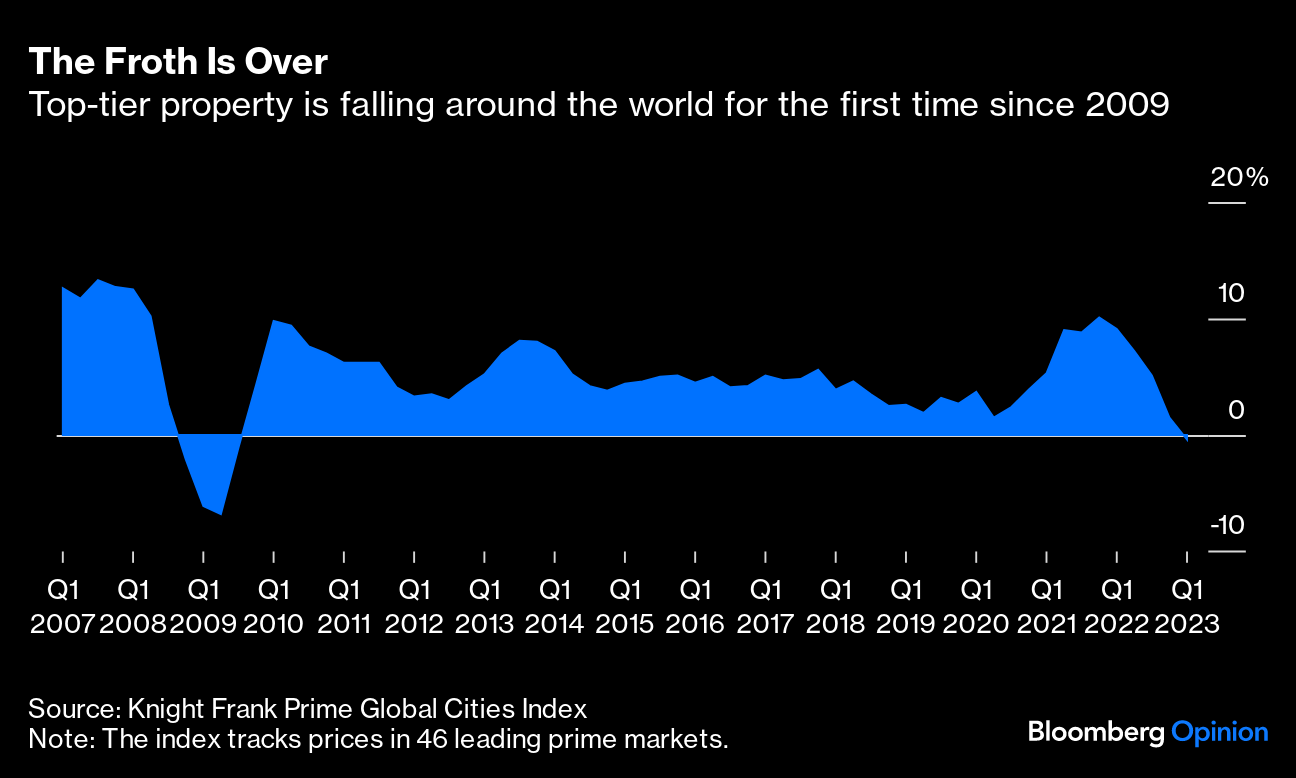
New research from Bloomberg Intelligence highlights a 'spooked' market, where homebuyers are having to make sacrifices. The UK property market has been spooked by a number of factors in recent months, including rising interest rates, the cost of living crisis, and the ongoing war in Ukraine. This has led to a decline in demand for property, particularly in South London, where prices have been among the highest in the country.


As a result, many South London property owners are feeling spooked about the future of their investments. 50% (56% in October) of that group intend to purchase a house in 1-2 years (BI’s survey only includes those looking to complete within the next two years), a further 28% (27%) want to go execute on a deal in 7-12 months, with 17% (12%) preferring 4-6 months. Only 32% of buyers with unchanged schedules aim to complete in the next six months (only 25% in London). The market is likely to remain volatile for the foreseeable future, so it is important for South London property owners to be aware of the risks and to adapt their plans accordingly. 


Home buyers who are pausing or delaying their homebuying plans cited elevated mortgage rates (30%) or the high cost of living (22%) as the most pertinent issues. Some buyers delayed their buying plans (16%) while waiting for house prices to decline, with a smaller group (14%) also worried about the economic outlook.

So what to do? Having worked in London property for 20 years I can assure you that Londoners are the last people to relent to having to drop their asking price. A wrong mentality in my opinion because it slows the market down and actually causes further price drops in the long run. A 10% reduction on a £500,000 sale in order to acquire a £1m property at £900k is still a net gain of £50,000 by my maths. So if you are looking to move up the ladder be firm with your onward offer and explain that you have to reduce in order to make the move otherwise it's not going to happen. A win-win for all I'm sure (providing the end of chain is motivated to sell - moving upwards or not).

If you are considering selling, or maybe you're on the market at the moment and you'd like to know more then drop me a line and let's have a chat. Have you used my free online valuation tool?

Wednesday, 26 July 2023

South London Developers Not Yet Affected by Soaring Interest Rates

Well here's a surprise! Despite the recent surge in base rates, the cost of development finance has remained relatively stable. According to new analysis by Sirius Property Finance, the average interest rate on development finance loans has only increased by 0.1% since the beginning of the year.


Whyever not?

There are a few reasons why development finance costs have not been impacted by rising base rates. First, many development finance lenders are not directly linked to the Bank of England base rate. Instead, they use a variety of factors to set their interest rates, such as the risk profile of the borrower and the current market conditions.

Second, development finance loans are typically short-term loans, with terms of between one and five years. This means that the impact of rising base rates is spread out over a shorter period of time.

Finally, the demand for development finance remains strong, which is helping to keep interest rates down. With the UK housing market still growing, there is a lot of appetite for development finance from investors and developers.

However, it is important to note that the situation could change in the future. If base rates continue to rise, it is possible that development finance costs will start to increase. However, for now, the market remains relatively stable.


Good news for buyers?

Well, yes, in a nutshell adding a little bit of profitability to the game will encourage developers to take offers as they can afford to, but above all it will introduce more developers to the market who have been put off by the soaring costs of materials and labour. At least finance is not a hurdle (yet). This may see greater good quality units in the supply of available first time buyer properties in South London.


But..

The level of demand for development finance. If demand falls, it could lead to lower interest rates.

Funding is a factor: if there is less funding available for development finance, it could lead to higher interest rates. The risk profile of the borrower. If the borrower's risk profile increases, it could lead to higher interest rates.

Overall, the cost of development finance is likely to remain stable in the near future. However, there are a number of factors that could impact the market in the future. Watch this space...


If you're curious about the value of your property in South London check out my free online valuation tool to get a ballpark figure, or drop me a line and invite me over for a more accurate picture.


Thursday, 27 September 2018

What Will Happen to Clapham Property Values if Interest Have Risen?


The current average value of a property in Clapham currently stands at £851,200, so what will the recent increase in the base rates at 0.75% do to the local property market (especially property values)? In many of my articles, I talk about what is happening to property values over the short term (i.e. the last 12 months or the last 5 years), but to answer this question we need to go back over 40 years, to 1975.


The average value of a Clapham property in 1975 was £41,208


However, since 1975, we have experienced in the UK, inflation of 807.5%.


Back in 1975, the average salary was £2,291 and average car was £1,840. A loaf of bread was 16p, milk was 28p a pint and a 2lb bag of sugar was 30p. Inflation has increased prices, so comparing like for like, we need to change these prices into today’s money. In real spending power terms, an average value of a Clapham house in 1975, expressed in terms of today’s prices is £374,011.


That means in real terms, property costs a lot more today, than in the mid 1970’s, but has it always been that way? Looking at the important dates of the UK property market, you can see from this table, the last two property boom years of 1989 and 2007, show that there was a significant uplift in the cost/value of property (when calculated in today’s prices).


Before we move on, hold onto the thought that you can quite clearly see from the table, in real terms, properties are cheaper today in Clapham than they were in 2007!


So, it made me wonder if there was a link between house prices, inflation and other external economic factors, such as interest rates? Interest rates have a strong influence on inflation and property values, principally because changes in the interest rate affect the cost of mortgage payments for homeowners and they affect the flow of foreign currency in (or out) of an economy, thus changing the exchange rate and prices we can sell our goods and services abroad and prices we pay on imports.


So how exactly do interest rates affect property values?


When interest rates rise, it has a substantial effect on increasing the monthly cost of mortgages. Higher mortgage payments will discourage prospective homebuyers or people looking to move up market (meaning their mortgage payments go up) – thus making it comparatively cheaper to rent.


Furthermore, the high cost of mortgage payments sometimes also pushes some existing home owners to sell, meaning there is an increase in house sellers and a decline in house purchasers, and as the law of economics state, when supply is increased and demand falls, (house) prices fall. Another fallout of a rise in mortgage payments is a rise in repossessions. Interestingly, repossessions in the UK rose from 15,000 per annum in the late 1980’s to over 75,000 per annum in the early 1990’s, meaning even more properties came onto the market, exasperating the issue of over supply – pushing property values even lower.


High interest rates caused property values to fall in mid 1970’s, early 1980’s and most recently, the early 1990’s (who can remember the 15% mortgage rate!) Conversely though, the drop in property values in 2008/2009 – was not due to interest rates, but due to the credit crunch and global recession.


So, what will happen now interest rates have risen?


It is vital to remember that interest rates are not the only factor affecting property values. It is also possible that when interest rates increase (which they will from the current 0.5%), property values can also continue to rise (it happened throughout the mid to late 1980’s and again between the boom years of 2002 and 2007). When confidence in the economy is good, and we as a Country experience a period of rising real incomes (i.e. after inflation), then the British in the past have continued to buy bricks and mortar, notwithstanding the rise in interest rates.


Another important factor on property values is the supply of housing. A big reason in the current level of Clapham house prices is due to the shortage of supply, which has kept property values higher than I would have expected. An additional factor is whether homeowners have a variable or fixed rate mortgage. 90.6% of new mortgages taken in the last Quarter were at a fixed rate, and 66.2% of all mortgaged homeowners are on fixed-rate mortgages, therefore, they will not notice the effects of higher interest rate payments until they re-mortgage in a few year’s time, meaning there is frequently a time-lag between higher interest rates and the effect on property values. Another factor on mortgages is the ability to get one in the first place. Back in 2014, mortgage providers were told to be stricter on their lending criteria when arranging mortgages following the footloose days of 125% loan to value mortgages with the Northern Rock. These new rules are a lot more rigorous on borrowers' ability to repay the payments (although it makes me laugh, when with starter homes it nearer is always cheaper to buy then rent!).


I think the final point is this … affordability is the key. Look at the graph (the red bars) and you will see in REAL HOUSE PRICE terms – it’s cheaper to buy a home today than it was in 2007, yet why aren’t we seeing people buying property at the levels we were seeing in the 2000’s before the credit crunch? Again, looking at the reasons why, I will talk about in future articles.


In conclusion, interest rates are important – but nowhere near as important on the Clapham (and British) property market than they were 15 or 20 years ago.


So, before I go, one final thought - how do we measure the success of the Clapham property market? Well I believe one measure that is a good bellwether is the number of property transactions, as that could show a more truthful picture of the health of the property market than property values. Maybe I should talk about that in an up and coming article?


Do let me know if you are looking to invest and you could use a hand. if you are a ready and able investor sign up to my list that will bring packaged deals to your inbox! If you are looking for no-obligation advice then drop me a line and let's start the conversation.


Friday, 24 November 2017

Increase in Interest Rates to cost Clapham Home Owners £983.80 a year


Clapham homeowners will be among those affected by the latest rise in the Bank of England interest rates. The first increase in 10 years; they have just been raised from 0.25 percent to 0.5 per cent. This uplift comes as inflation hits a 51-month high of 2.9 per cent whilst the national unemployment rate is at an all-time low of 4.3 per cent.


Interestingly, the Governor of the Bank of England has indicated that the interest rate is likely to increase again over the next couple of years, but Mr Carney said mortgages and savings would not be affected in the short term. However, look at all the big banks and just about all of them have increased their standard variable mortgage rate..


The average Clapham mortgage is £393,521


I have to ask by how much Clapham homeowners (on variable rate or tracker mortgages) will see their repayments increase?


In the SW4, SW8, SW9, SW11 and SW12 postcodes there are 21,080 homeowners with a mortgage, of which 9.056 have a variable rate mortgage (the remaining have fixed rate mortgages). The total amount owed by those SW4, SW8, SW9, SW11 and SW12 homeowners with those variable rate mortgages is £3,563,717,643, meaning the average monthly mortgage payment for those home owners on variable rate mortgages before the interest rate rise was £3,068.37 per month and now its £3,150.36 per month … meaning


The interest rate rise will cost Clapham homeowners on average an extra £983.80 per year


Whilst this is the first raise in interest rates in over 10 years, it must be noted it is at a significantly low level compared to figures in the 1970s and early 1990s. Many of my readers talk of interest rates at 17 per cent when Sir Geoffrey Howe increased them to try and combat the hyperinflation (from the fallout of the financial crisis that hit Britain in the 1970’s) and Norman Lamont in September 1992 with the infamous Black Wednesday crisis, when interest rates were raised from 10% to 15% in just one day.


So, what will this interest rate actually do to the Clapham housing market?


Well, if I’m being frank – not a great deal. The proportion of Clapham homeowners with variable rate mortgages (and thus directly affected by a Bank of England rate rise) will be smaller than in the past, in part because the vast majority of new mortgages in recent years were taken on fixed interest rates. The proportion of outstanding mortgages on variable rates has fallen to a record low of 42.3 per cent, down from a peak of 72.9 per cent in the autumn of 2011.


If more Clapham people are protected from interest rate rises, because they are on a fixed rate mortgage, then there is less chance of those Clapham people having to sell their Clapham properties because they can’t afford the monthly repayments or even worse case scenario, have them repossessed.


However, and this will be of interest to both Clapham homeowners and Clapham buy to let landlords …


.. for every 1% increase in the Bank of England interest rate, it will cost the average Clapham homeowner on a variable rate mortgage £327.93 per month


So, what next? Because UK inflation levels are at 2.9 per cent (the country’s highest rate since April 2012) and the Bank of England is tasked by HM Government to keep inflation at 2 per cent using various monetary tools (one of which is interest rates) – you can see why interest rate rises might be on the cards in the future as increasing interest rates tends to dampen inflation.


Now of course there is a certain amount of uncertainty with regard to Brexit and the negotiations thereof, but fundamentally the British economy is in decent shape. People will always need housing and as we aren’t building enough houses (as I have mentioned many times in the Clapham Property Blog), we might see a slight dip in prices in the short term, but in the medium to long term, the Clapham property market will always remain strong for both Clapham homeowners and Clapham landlords alike.


I hope you enjoyed reading. If you are keen to take things further, be it to start from scratch, or do something a bit more interesting with your current portfolio... Start the conversation on email. I'd love to meet you in person of course at this month's Clapham Property Meet, so do come along. Click here for tickets and more info.

The Quiet Landlord Exodus: Why South London Renters Should Be the Ones Worrying

Drive around Clapham, Balham or Brixton at the moment and you start to notice something. Flats that were quietly let for years are appearing...

Popular Post!