Monday, 9 October 2023

Average rent records broken in South London

The average UK rental price has hit another all-time high of £1,261 PCM, following a further 1.4% rise from last month, according to the latest figures released by HomeLet.


This news is likely to be welcomed by South London homeowners, as it means that they can charge more rent for their properties. However, it is important to note that rising rental prices are also having a negative impact on tenants, who are struggling to afford the cost of living.

There are a number of factors contributing to the rise in rental prices. One factor is the lack of supply of rental properties. This is due to a number of reasons, including the fact that more people are choosing to rent rather than buy, and the fact that some landlords are selling their properties due to the high cost of living.

Another factor contributing to rising rental prices is the fact that wages are not keeping up with the cost of living. This means that tenants are having to spend a larger proportion of their income on rent, leaving them with less money to spend on other essentials.

The rise in rental prices is having a number of negative consequences for tenants. Some tenants are being forced to move to less desirable areas, while others are struggling to afford rent and are at risk of eviction.

The rise in rental prices is also having a negative impact on the economy as a whole. This is because it is making it more difficult for people to save for a deposit on a house, which is hindering the first-time buyer market.


What can be done to address the rising cost of rent?

There are a number of things that can be done to address the rising cost of rent. One option is to increase the supply of rental properties. This could be done by building more affordable housing, or by encouraging landlords to keep their properties in the rental market.

Another option is to introduce rent controls. This would limit the amount that landlords can charge for rent. However, this is a controversial policy, as some people believe that it would disincentivize landlords from investing in rental properties.

Finally, the government could increase wages to help tenants afford the cost of rent. However, this would be a costly policy to implement, and it would also put upward pressure on inflation.


What does this mean for South London homeowners?

If you are a homeowner in South London, you are likely to benefit from the rising cost of rent. This is because you will be able to charge more rent for your property.

However, it is important to be aware of the negative impact that rising rental prices are having on tenants. If you are considering becoming a landlord, it is important to be responsible and to ensure that you are providing your tenants with good quality accommodation at a fair price.


Stay tuned for more insights into the South London property market, particularly as they relate to younger residents aiming to make a mark in this competitive arena. Also, drop me a line and pick my brains or use my free online valuation tool to get a ballpark figure!

Friday, 6 October 2023

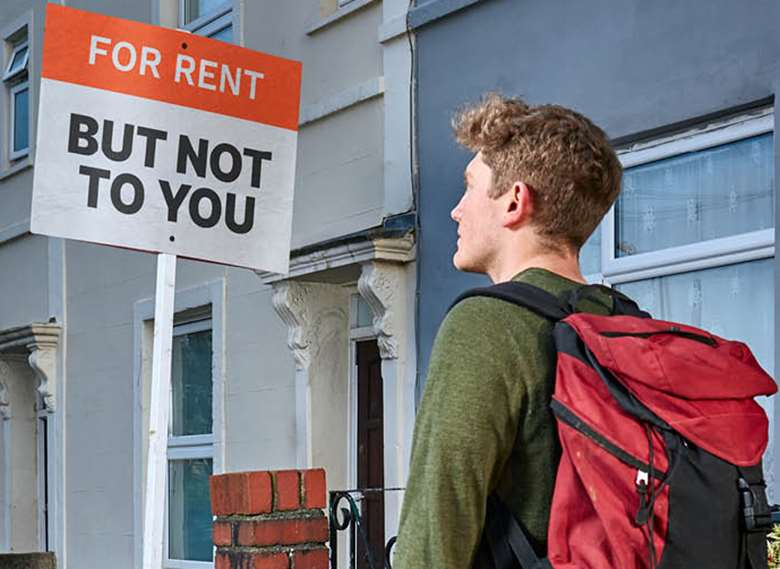
Young South Londoners Renting, Buying reserved for the Wealthy!


The landscape of the UK housing market is undergoing a significant shift, increasingly favouring older and wealthier homeowners. This leaves young people, including those in South London, with dwindling prospects for homeownership. In this blog post, we delve into these dynamics, and what it could mean for young South Londoners eyeing the property market.

The Dominant Drivers

Data science firm Outra reports a concerning trend: the UK's housing market is rapidly becoming a domain for the old and affluent. According to their research, the cost-of-living crisis coupled with high interest rates and escalating house prices are impeding younger generations from advancing on the property ladder.

A Spike in Median Age

Outra’s findings indicate that the median age of individuals planning to move homes within the next six months has increased by 3.5 years over just one year. This shift brings the median age to 52.5, up from 49 years last year. This suggests that younger households are increasingly unable to make the move, literally and metaphorically, towards home ownership or better rental conditions.

Equity Over Income

The research points out that older households, particularly those above the age of 55, are the driving force behind this trend. These households usually have significant equity in their homes, enabling them to dominate the housing market. In fact, households with more than £250,000 in stored equity now make up 52% of those most likely to sell, a substantial increase from 34% a year ago.

Generational Wealth Over Current Earnings

Interestingly, stored equity seems to be a more significant factor than annual income when considering moving houses. People earning above £50,000 a year are only slightly more empowered to move than last year, making up 35.5% of the total, compared to 30% the previous year.

The Rise of the 'Inheritocracy'

Giles Mackay, the founder of Outra, warns that these trends could herald the rise of an "inheritocracy." Older generations are primarily moving to release equity for retirement or to aid their children's entrance into the property market. This creates a skewed market where the younger generation's ability to own a home heavily relies on financial assistance from parents or other family members.

Local Impact on South London

For younger residents in South London, this means that unless they can tap into "the Bank of Mum and Dad," their options are becoming increasingly limited. Whether it’s striving to own a home or seeking more favourable rental terms, the market appears stacked against them.

Conclusion

These trends are reshaping the UK housing market into an arena increasingly reserved for older, wealthier individuals. This poses challenges for younger generations, particularly in areas like South London where property values are already high. In this evolving scenario, it's crucial to keep an eye on market trends and seek professional advice to navigate this challenging landscape.

Stay tuned for more insights into the South London property market, particularly as they relate to younger residents aiming to make a mark in this competitive arena. Also, drop me a line and pick my brains or use my free online valuation tool to get a ballpark figure!

Thursday, 5 October 2023

South London Landlords Increase Profits Despite Rising Costs and Red Tape!


In recent times, landlords across England and Wales have faced a myriad of challenges, including regulatory changes and economic pressures. However, new data suggests that rental incomes are on the rise, both nationally and specifically within London. In this blog post, we will explore these trends and what they mean for landlords in South London.

A recent study conducted by Benham and Reeves, a London-based letting agency, has revealed some noteworthy statistics. Over the past year, landlords in England and Wales have seen an 8.7% increase in rental portfolio income. The study compared rental incomes from Q1 2022 to Q1 2023 and identified several key factors contributing to this uptick.

Portfolio Size and Rental Values

While there has been a 5.6% reduction in the average size of rental portfolios across England and Wales, falling from 9.1 to 8.6 properties, average rental values have actually increased. The average rental value rose by 15.1%, from £7,396 in Q1 2022 to £8,510 in Q1 2023. Consequently, the typical annual portfolio income for landlords increased from £67,304 to £73,186.

Focus on South London

For landlords operating in London, the news is particularly encouraging. Despite a minor decrease in the average portfolio size from 7.6 to 7.5 properties, the average rental income per property increased substantially by 34.7%, to £13,095. This resulted in an annual income for the average London portfolio of £98,213, marking a 32.9% increase.

The East of England: A Point of Comparison

In the East of England, there was a 7.7% decrease in income per property. However, overall portfolio income rose by 32.7%, mainly due to an increase in the average portfolio size from 6.4 to 9.2 properties over the past year.

Expert Commentary

Marc von Grundherr, the Director of Benham and Reeves, provided some insights into the data. He suggested that while some landlords have reduced portfolio sizes due to external factors like government policy and rising mortgage rates, it may be prudent to reconsider such a decision. Particularly in London, rising rental values have more than compensated for the increased costs, including higher mortgage rates.

Conclusion

Despite the challenges presented by regulatory changes and economic factors, landlords in South London have opportunities for growth and profitability. The increasing rental values in London suggest a resilient market that may offer stability and potential for higher returns. It may be beneficial for landlords to evaluate the current market conditions comprehensively before making any major decisions about their property portfolios.

For more in-depth analysis and updates relevant to South London landlords, stay tuned to this blog. Also, drop me a line and pick my brains or use my free online valuation tool to get a ballpark figure!



Wednesday, 4 October 2023

House Prices down £5000 in South London

The UK housing market is facing continued downward pressure on its prices, with the average house price falling by 1.9% in August 2023, the largest monthly fall since November 2022.


This is according to the latest figures from Halifax, which show that house prices are now down by 4.6% on an annual basis, the biggest year-on-year decrease since 2009.

The South East is experiencing the biggest drop in house prices, with prices down by 5.0% on an annual basis. This is due to buyers facing the need to find larger deposits and fund bigger monthly repayments, as mortgage rates have risen sharply in recent months.

London remains the most expensive place in the UK to purchase a home, with an average property price of £529,814. However, with prices down by 4.1% over the last year, it has seen the biggest fall of any region in cash terms (-£22,777).

The housing market is expected to remain subdued for the rest of this year and into next, with further downward pressure on prices anticipated. However, it is important to remember that prices remain some £40,000 (+17%) above pre-pandemic levels.


What does this mean for South London homeowners?

If you are a homeowner in South London, you may be feeling concerned about the falling house prices. However, it is important to remember that the market is expected to rebalance until it finds an equilibrium where buyers are comfortable with mortgage costs in a higher range than seen over the previous 15 years.


In the meantime, there are a few things you can do to protect your investment:

  • Ensure your mortgage is in good order. If you are on a variable rate mortgage, consider switching to a fixed rate to protect yourself from further interest rate rises.
  • Make any necessary repairs or improvements to your property. This will help to maintain its value and make it more attractive to potential buyers in the future.
  • Be realistic about your asking price if you are planning to sell. Buyers are becoming increasingly price sensitive, so it is important to be competitive.

If you are thinking about buying a home in South London, the current market conditions could present an opportunity to get a good deal. However, it is important to do your research and speak to a financial advisor to ensure you can afford the monthly repayments.

If you are curious as to what your rental property is worth today drop me a line and pick my brains or use my free online valuation tool to get a ballpark figure!

Tuesday, 3 October 2023

Gas Boiler Ban Eased – Good News for South London Homeowners!


South London homeowners have welcomed the news that the government is considering easing the ban on gas boilers. The current deadline of 2025 is seen as too ambitious by many, and there are concerns about the cost of replacing gas boilers with heat pumps.

The government is reportedly considering a number of options, including extending the deadline for the ban or offering financial assistance to homeowners who need to replace their gas boilers.

The ban on gas boilers is part of the government's plan to reach net zero carbon emissions by 2050. However, there are concerns that the ban is being rushed through without due consideration for the impact on homeowners.

Many homeowners are not prepared to replace their gas boilers yet, and the cost of doing so could be prohibitive for some. There are also concerns about the availability of heat pumps and the energy efficiency of new homes.

The government has said that it is committed to supporting homeowners through the transition to a low-carbon future. However, it is clear that more needs to be done to make the transition affordable and fair.

What does this mean for South London homeowners?

If you are a South London homeowner with a gas boiler, it is worth keeping an eye on this development. If the ban is eased, it could save you a lot of money in the long run.

However, it is important to note that the government has not yet made a final decision. So, if you are thinking about replacing your gas boiler, it is advisable to wait until there is more clarity on the government's plans.

In the meantime, there are a number of things you can do to reduce your energy bills and improve the energy efficiency of your home. For example, you can:

  • Insulate your loft and walls
  • Install double-glazing
  • Upgrade your boiler to a more energy-efficient model
  • Install a smart thermostat
  • Turn down your thermostat by 1 degree
  • Switch off lights and appliances when you are not using them

By taking these steps, you can reduce your carbon footprint and save money on your energy bills.

What do experts say?

Experts have welcomed the news that the government is considering easing the ban on gas boilers. They say that the current deadline of 2025 is too ambitious and could lead to a backlash from homeowners.

They also say that the government needs to do more to make the transition to a low-carbon future affordable and fair for homeowners.

"The government needs to provide more financial assistance to homeowners who need to replace their gas boilers," said one expert. "They also need to make sure that there are enough qualified installers available to meet the demand."

Another expert said that the government needs to do more to educate homeowners about the benefits of heat pumps.

"Heat pumps are a more energy-efficient way to heat your home than gas boilers," they said. "However, they are more expensive to install. The government needs to provide more information to homeowners about the benefits of heat pumps and the financial assistance that is available."

Conclusion

The news that the government is considering easing the ban on gas boilers is good news for South London homeowners. However, it is important to note that the government has not yet made a final decision.

In the meantime, homeowners can take a number of steps to reduce their energy bills and improve the energy efficiency of their home.

If you are curious as to what your rental property is worth today drop me a line and pick my brains or use my free online valuation tool to get a ballpark figure!

One in three landlords now want a guarantor: how tenants in Clapham, Brixton and Streatham can still land a flat

Not a day goes by that we don't hear about tenants being squeezed. This week's twist: it's not just the rent, it's who you k...

Popular Post!